
In today's competitive manufacturing landscape, Six Sigma has emerged as a powerful tool to enhance efficiency, reduce costs, and improve product quality. Implementing Six Sigma methodologies, however, can be complex, requiring the right strategies and resources. This article guides you through the essential elements of a successful Six Sigma project, focusing on templates and tools tailored for manufacturing. We'll explore top-rated Six Sigma project templates, cost-effective implementation plans, data collection best practices, and more. By the end, you'll be equipped with the knowledge to navigate the latest trends, choose the right software, and overcome resistance to Six Sigma change management, all aimed at optimizing your manufacturing processes.
- Discover Top Six Sigma Project Templates for Manufacturing
- Implement Six Sigma: A Step-by-Step Guide for Factories
- Optimize Processes: Best Practices and Tools for Six Sigma Success
Discover Top Six Sigma Project Templates for Manufacturing
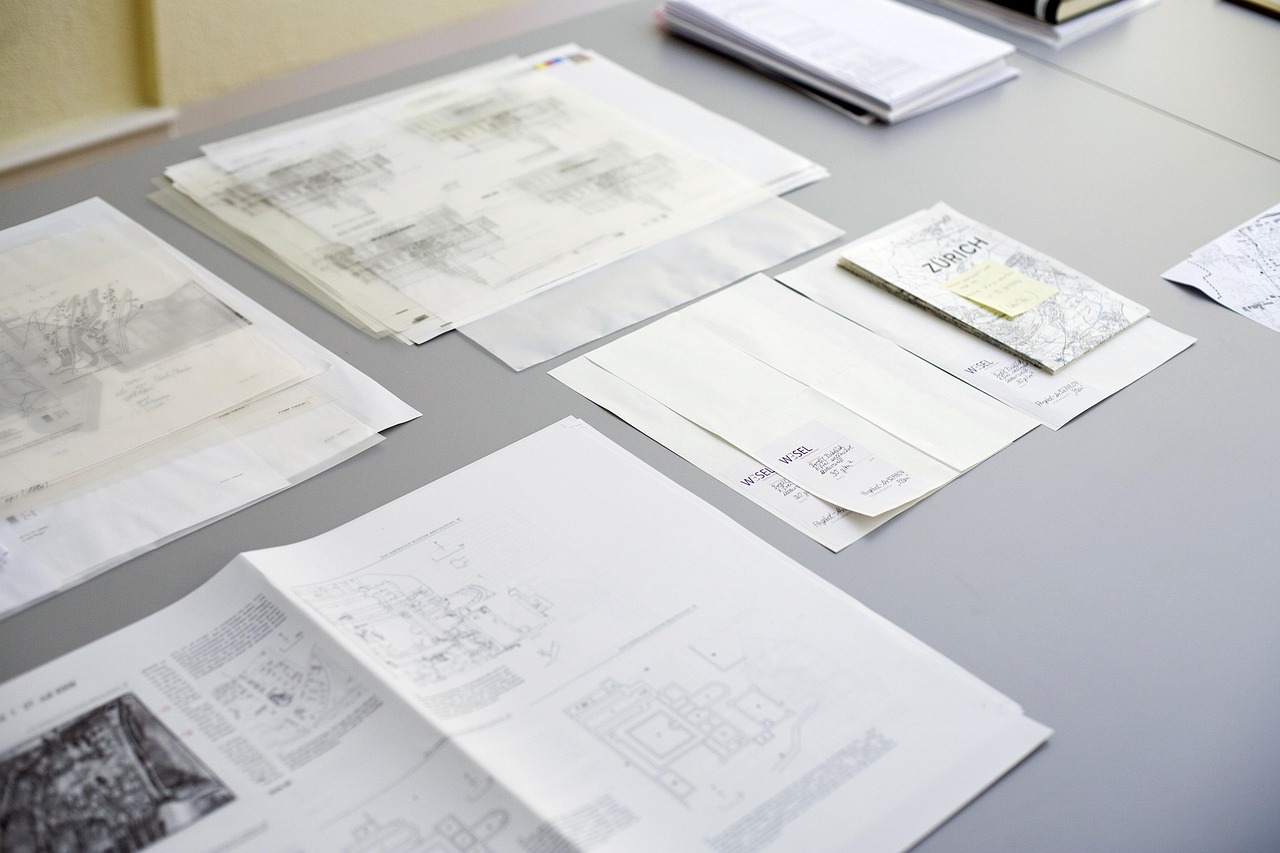
Six Sigma Project Templates for Manufacturing: Streamlining Process Improvement
In the quest for manufacturing excellence, adopting Six Sigma methodologies is a proven strategy. Central to this approach are well-designed Six Sigma project templates that provide a structured framework for process improvement. These templates serve as roadmaps, guiding manufacturers through the complex journey of identifying inefficiencies, reducing variations, and enhancing overall quality. This section delves into the top Six Sigma project templates tailored for the manufacturing sector, offering practical insights and actionable advice.
One of the most powerful tools for manufacturers is the Design of Experiments (DOE) template. This template facilitates a systematic approach to problem-solving, enabling data-driven decisions. By employing statistical methods, manufacturers can optimize processes, reduce cycle times, and improve product quality. For instance, a study by the American Society for Quality Control (ASQ) revealed that companies implementing DOE saw a 15% average reduction in process cycle times, showcasing its effectiveness. This template is particularly valuable for addressing issues related to reduce cycle times in manufacturing processes, aiming to cut times 1-3 times, leading to increased productivity and cost savings.
Additionally, Six Sigma project templates for service industries offer versatile solutions that can be adapted for manufacturing contexts. These templates focus on customer satisfaction, process efficiency, and continuous improvement, ensuring that manufacturing operations remain competitive in a dynamic market. Customizable project plans allow manufacturers to tailor their Six Sigma initiatives to specific needs, whether it's streamlining production lines, minimizing waste, or enhancing product quality.
For businesses looking to embark on a Six Sigma implementation, several cost-effective solutions are available. Online marketplaces offer customizable Six Sigma project plans, providing flexibility and saving time. Moreover, leveraging pre-built templates can significantly reduce the financial burden, making Six Sigma initiatives accessible to small-scale manufacturers. By adopting these templates and integrating them into their processes, manufacturers can achieve remarkable results, such as reduced waste, improved productivity, and substantial cost savings, as evidenced by numerous case studies.
To further support manufacturers, give us a call at lean manufacturing techniques for beginners. Our team of experts is ready to guide you through the intricacies of Six Sigma project management, ensuring a successful rollout and maximizing the benefits of this powerful methodology.
Implement Six Sigma: A Step-by-Step Guide for Factories

Implementing Six Sigma in manufacturing involves a structured approach to process improvement, focusing on reducing defects, increasing efficiency, and enhancing product quality. This step-by-step guide leverages top Six Sigma project templates specifically tailored for manufacturing environments to ensure your initiative's success.
Step 1: Define the Problem and Set Clear Goals. Begin by identifying the specific areas in your factory that require improvement. Are you aiming to reduce cycle times, fix recurring quality issues, or streamline production processes? Clearly define measurable goals aligned with your overall business objectives. For instance, "Reduce the defect rate of Product X by 75% within six months." This focus drives the entire project and guides data collection efforts.
Step 2: Establish a Cross-Functional Team. Assemble a team comprising individuals from various departments, including operations, quality control, engineering, and management. This collaborative approach leverages diverse skill sets and perspectives. Ensure team members are trained in Six Sigma methodologies and committed to the project's success. A well-structured team is vital for effective problem-solving and data analysis.
Step 3: Conduct a Detailed Data Analysis. Collect and analyze historical data related to the selected process. Utilize statistical tools and Six Sigma project templates to identify patterns, trends, and potential root causes of problems. This step may involve examining production records, quality inspection reports, and customer feedback. By understanding the current state, you can pinpoint areas for improvement with greater accuracy.
Step 4: Develop a Comprehensive Project Plan. Create a detailed Six Sigma project plan using readily available templates designed for manufacturing. This plan should outline specific tasks, responsibilities, timelines, and milestones. Define key performance indicators (KPIs) to measure progress. For example, if your goal is to fix quality issues, KPIs could include defect rates, customer complaints, and scrap percentages.
Step 5: Implement the Six Sigma Improvement Process. Utilize proven Six Sigma techniques such as Value Stream Mapping (VSM), Fishbone Diagrams, and statistical analysis to drive process changes. Identify non-value-added steps, implement lean manufacturing principles, and develop robust quality control measures. Fix root causes by implementing targeted solutions. Regularly monitor progress against your project plan.
Step 6: Measure and Verify Results. After implementing changes, measure the impact using the defined KPIs. Compare new data with historical figures to validate improvements. Conduct post-implementation audits to ensure sustained results. If necessary, make further adjustments based on feedback and performance data.
Step 7: Share Findings and Secure Buy-In. Effectively communicate project outcomes to stakeholders, including executives and employees. Highlight the benefits achieved through Six Sigma initiatives, such as reduced manufacturing costs, improved product quality, and increased productivity. Engage employees in the success story by recognizing their contributions, fostering a culture of continuous improvement, and encouraging participation in future projects.
By following this structured approach, manufacturers can harness the power of Six Sigma project templates to drive significant improvements in their operations. This process not only reduces cycle times and fixes quality issues but also paves the way for sustainable cost reduction strategies, ultimately enhancing competitiveness in today's dynamic market. For instance, a study by McKinsey (2021) revealed that companies leveraging Six Sigma methodologies achieved an average 8% increase in operational efficiency. Find us at manufacturing cost reduction strategies for more tailored solutions to revolutionize your factory's performance.
Optimize Processes: Best Practices and Tools for Six Sigma Success

Optimizing manufacturing processes with Six Sigma involves a structured approach and powerful tools. Among the many available Six Sigma Project Templates for Manufacturing, those focusing on process improvement offer significant advantages. Here’s how to leverage best practices and the right templates to achieve success.
Standardize Work Instructions Using Six Sigma: Begin by documenting standard operating procedures (SOPs) and work instructions using a well-structured format. This standardization facilitates consistency and enables easy identification of potential variations leading to defects or inefficiencies. For instance, creating a comprehensive SOP for assembly line operations, complete with step-by-step visuals and clear metrics, can significantly reduce errors.
Implement Kaizen Events: Kaizen events are short, focused improvement activities that can dramatically enhance process performance. Integrate these events into your Six Sigma project plans to drive continuous enhancements. For example, conducting a kaizen event aimed at streamlining the packaging process could involve gathering cross-functional teams to identify and eliminate non-value-added steps.
Design of Experiments (DOE): Utilize DOE techniques, such as factorial designs or Taguchi methods, to systematically study the impact of multiple variables on your manufacturing processes. This data-driven approach allows for precise tuning of parameters, ultimately leading to optimized outcomes. Suppose you're looking to enhance product quality. A 2k factorial design could help identify critical factors and their interactions affecting the final product.
Leverage Effective Templates: The right Six Sigma Project Template for Manufacturing can streamline your efforts significantly. Look for templates that accommodate your specific process improvement needs, whether it’s reducing waste, improving cycle times, or enhancing quality. Customizable templates offer flexibility to tailor solutions to unique factory challenges. For instance, a template designed for a specific type of manufacturing process (e.g., assembly or machining) can save valuable time and ensure no critical steps are overlooked.
Empower Your Teams: Effectively engage your workforce in the Six Sigma implementation process. Provide them with the necessary training and tools, including access to high-quality project templates. Encourage open communication channels for sharing ideas and addressing concerns. Regularly collect feedback from the floor to ensure continuous improvement efforts align with frontline realities. This collaborative approach fosters buy-in and ensures that solutions are both practical and sustainable.
Document and Communicate Findings: Thorough documentation is essential for successful Six Sigma projects. Use templates that include sections for data collection, analysis, and interpretation. Clearly communicate project outcomes to all stakeholders through concise reports or presentations tailored to their audience. Statistical Process Control (SPC) training can be invaluable here, helping teams understand and interpret process performance metrics effectively.
Iterate and Improve: Six Sigma is not a one-time event but an ongoing journey. Continuously monitor and measure the effectiveness of implemented changes using the templates’ data collection tools. Regularly review process performance to identify new opportunities for improvement and plan subsequent kaizen events or DOE studies. This iterative approach ensures your manufacturing processes remain optimized over time.
By delving into the world of Six Sigma Project Templates Manufacturing, this comprehensive guide has equipped readers with a powerful toolkit to drive process improvement and enhance manufacturing efficiency. Through exploring top templates, step-by-step implementation strategies, and best practices, you now possess the knowledge to navigate the complex landscape of Six Sigma successfully.
Key takeaways include:
- Streamlined Process Improvement: Utilize pre-designed Six Sigma project plans to save time and effort, focusing on immediate process enhancement.
- Data-Driven Decisions: Master effective data collection techniques, enabling you to identify root causes and make informed improvements using industry-standard tools.
- Cost Savings and Efficiency: Implement Six Sigma methodologies to reduce waste, optimize supply chains, and significantly lower manufacturing costs, ultimately increasing profitability.
- Employee Engagement: Foster a culture of continuous improvement by engaging employees in Six Sigma initiatives, leveraging their expertise for impactful change.
Moving forward, consider the following practical steps:
- Choose the right Six Sigma software tailored to your factory's needs.
- Start small with a pilot project using readily available templates to test and refine your approach.
- Invest in employee training to ensure a competent and engaged workforce ready to embrace Six Sigma principles.
By embracing these insights and taking action, you'll be well on your way to transforming your manufacturing processes through the power of Six Sigma Project Templates Manufacturing.
Six Sigma Project Templates for Manufacturing streamline process improvement, offering structured frameworks for identifying inefficiencies and enhancing quality. Key steps include defining problems, assembling cross-functional teams, analyzing data, developing project plans, implementing improvements, measuring results, and sharing outcomes. The right templates, such as Design of Experiments (DOE) and Kaizen events, empower manufacturers to optimize processes, reduce waste, and drive substantial cost savings, as proven by numerous case studies.