
In today's competitive manufacturing landscape, embracing process improvement methodologies is crucial to gaining a strategic edge. Six Sigma, renowned for its data-driven approach, offers powerful tools to enhance efficiency, reduce waste, and elevate product quality. However, implementing Six Sigma effectively requires well-structured project templates tailored to the unique needs of manufacturing environments. This article delves into the heart of this challenge by presenting a comprehensive guide to the best Six Sigma project templates specifically designed for manufacturing. From lean Six Sigma methodologies to data collection best practices and engaging employees, we'll explore a range of strategies and tools to streamline your manufacturing processes, optimize operations, and drive substantial improvements.
- Discover Top Six Sigma Templates for Manufacturing Success
- Implement Effective Six Sigma Project Management Strategies
- Optimize Processes: Best Practices for Six Sigma in Manufacturing
Discover Top Six Sigma Templates for Manufacturing Success

Six Sigma Project Templates are invaluable tools for manufacturing success, offering structured approaches to process improvement, quality control, and cost reduction. For manufacturers looking to implement Six Sigma, selecting the right template is crucial. This section guides you through top Six Sigma project templates tailored specifically for manufacturing environments, focusing on both free resources and advanced tracking spreadsheets.
Top Six Sigma Templates for Manufacturing Excellence
Manufacturers can choose from a growing array of Six Sigma project management tools, each with its strengths and specialization. Consider these top picks:
-
Lean Six Sigma Project Plan Template: This comprehensive template streamlines lean manufacturing practices with Six Sigma methodologies. It's ideal for small-scale manufacturers aiming to standardize work instructions and improve efficiency.
-
Process Improvement Project (PIP) Template: A proven method for identifying root causes and implementing solutions, this PIP template is suitable for projects focused on enhancing product quality and reducing defects.
-
Supply Chain Bottleneck Analysis Template: Designed to identify and resolve bottlenecks in the supply chain, this tool employs Six Sigma analytics to optimize manufacturing processes and improve overall efficiency.
Beyond Templates: Leveraging Six Sigma Certification Benefits
Investing in Six Sigma certification for your workforce offers significant advantages. Trained green belts can lead successful project implementations, enabling you to:
- Reduce Waste: Implement targeted solutions through data-driven analysis, minimizing scrap and rework costs.
- Enhance Quality Control: Employ standardized work instructions and rigorous quality checks, leading to improved product consistency.
- Boost Productivity: Identify bottlenecks and inefficiencies, then utilize Six Sigma techniques to streamline workflows and maximize production output.
Standardize Work Instructions with Six Sigma
One of the most powerful applications of Six Sigma is standardizing work instructions across your factory floor. This ensures consistent procedures, reduces human error, and provides a clear framework for continuous improvement. Tools like [name of a reputable Six Sigma software platform] offer customizable templates to document and track standardized work practices.
The Path Forward: Implementing a Successful Six Sigma Rollout
To ensure your Six Sigma implementation plan succeeds, follow these actionable steps:
- Assess Current Processes: Conduct a thorough analysis to identify areas for improvement and potential waste.
- Select Appropriate Templates: Choose templates aligned with your specific manufacturing goals, whether focusing on process improvement, quality control, or supply chain optimization.
- Train and Empower Your Team: Invest in Six Sigma certification for key personnel who can lead projects and drive cultural change.
- Monitor Progress and Celebrate Successes: Regularly track project outcomes and share findings with stakeholders to build momentum and encourage continued adoption.
Implement Effective Six Sigma Project Management Strategies
Implementing effective Six Sigma project management strategies involves leveraging well-designed templates tailored for manufacturing environments. The right Six Sigma project templates for manufacturing streamline processes, enhance collaboration, and ensure every stage of your initiative is executed flawlessly.
A robust template provides a structured framework, guiding you through defining the problem, identifying root causes, implementing solutions, and measuring results. Consider integrating these strategies:
-
Reduce Cycle Times in Manufacturing Processes: Optimizing production lines isn't just about increasing speed; it's about minimizing non-value-added steps. Six Sigma templates should encourage a deep dive into process flows to identify bottlenecks and streamline operations, leading to shorter cycle times and improved efficiency. For example, using Value Stream Mapping (VSM) within your template can visually expose inefficiencies, enabling targeted interventions.
-
Implement Kaizen Events in Factories: These continuous improvement events focus on making small, incremental changes that yield significant results. Incorporate planning and tracking elements in your Six Sigma templates to facilitate these short-duration, cross-functional workshops. A well-structured template ensures all necessary steps are addressed during each event, maximizing their impact on production line optimization.
-
Optimize Production Lines with Six Sigma 1-3 Times: The key lies in leveraging data-driven insights to fine-tune processes. Your Six Sigma templates should include tools for statistical analysis and process capability analysis, enabling you to identify variation sources and make data-backed decisions that drive 1-3 times improvements in production line performance.
When selecting a template, ensure it aligns with your specific manufacturing context, offers flexibility for customization, and promotes clear communication among team members. Remember, the best templates aren't one-size-fits-all; they should adapt to your unique needs, empowering your team to achieve exceptional results through disciplined Six Sigma project management. Give us a call at [Your Company Name] to discuss how we can help you implement these strategies effectively.
Optimize Processes: Best Practices for Six Sigma in Manufacturing
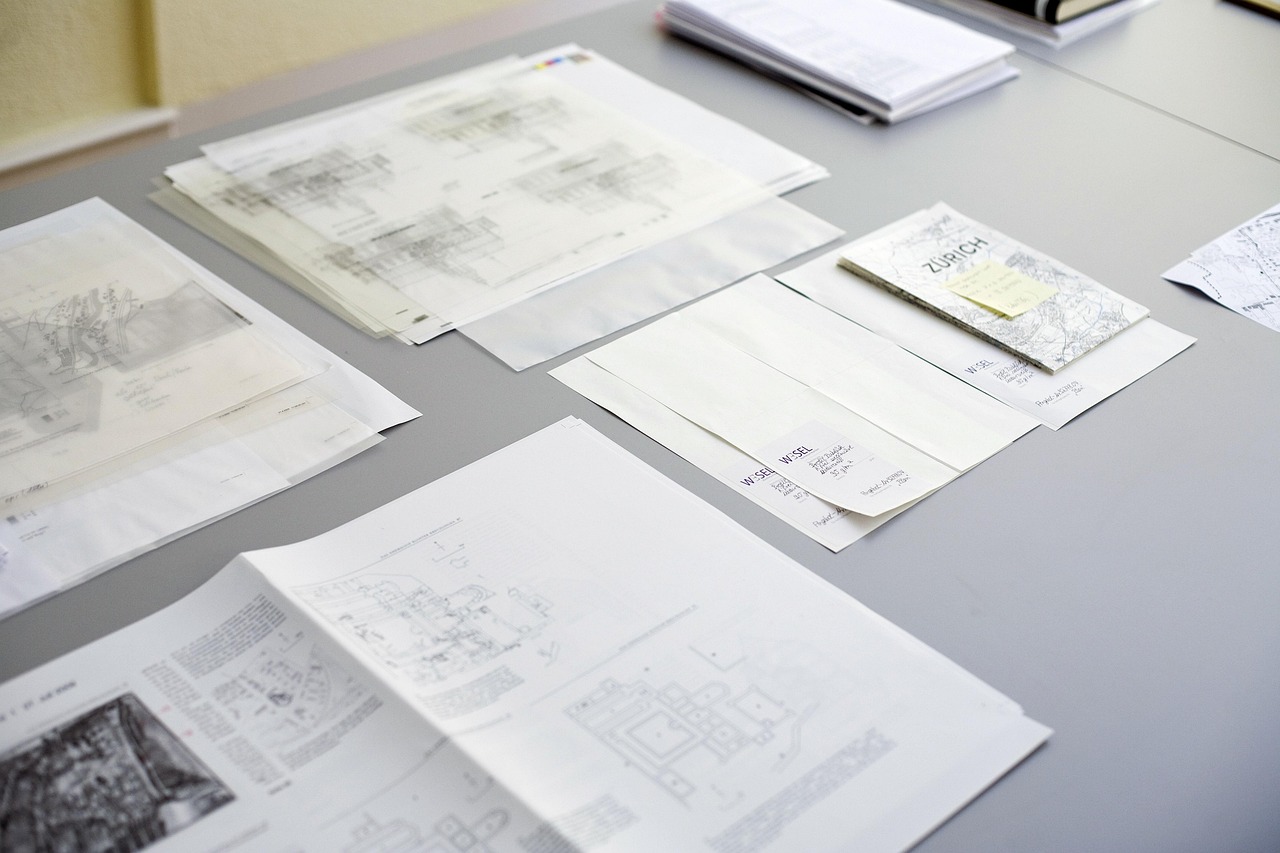
Optimizing manufacturing processes using Six Sigma involves a structured approach to reduce cycle times and enhance overall efficiency. The key lies in implementing robust project templates tailored to specific manufacturing challenges. Six Sigma Project Templates Manufacturing provide a framework for data-driven process improvements, enabling manufacturers to pinpoint inefficiencies and implement targeted solutions.
One effective strategy within Six Sigma deployment is incorporating Kaizen events, short, focused improvement initiatives conducted regularly. For instance, a car manufacturing plant might schedule weekly Kaizen sessions to address specific bottlenecks. By fostering a culture of continuous improvement, these events empower employees to contribute ideas and drive incremental changes. This collaborative approach, coupled with the right Six Sigma project templates, ensures that improvements are systematically documented, measured, and sustained.
Best practices for successful Six Sigma deployment in manufacturing involve a clear definition of project goals, thorough data collection, and rigorous analysis. Manufacturers should identify root causes of problems rather than merely addressing symptoms. Using statistical tools and analytics within Six Sigma project templates, companies can make data-backed decisions. For instance, analyzing production data might reveal that a particular step in the assembly line causes significant delays. Implementing process changes or automated solutions based on this insight can lead to substantial cycle time reductions.
Additionally, finding us at Enhance Production Planning and Scheduling plays a pivotal role in optimizing manufacturing processes. Integrating production planning with Six Sigma methodologies ensures that improvements are seamlessly aligned with overall production goals. By streamlining scheduling, resource allocation, and workflow, manufacturers can achieve a leaner, more efficient production system. This holistic approach, combined with the right Six Sigma project templates, enables manufacturers to continuously refine their processes, ultimately driving significant cost savings and improved product quality.
By exploring top Six Sigma Project Templates for Manufacturing, implementing effective project management strategies, and optimizing processes through best practices, manufacturers can achieve significant improvements in efficiency, quality, and cost reduction. The article highlights the power of structured Six Sigma methodologies, offering a comprehensive toolkit for success. Key takeaways include the importance of data-driven decision-making, employee engagement, and choosing the right tools for lean manufacturing. Practical next steps involve tailoring these strategies to specific operational needs, utilizing customizable Six Sigma project plans, and continuously measuring and refining processes. Embracing these practices will empower manufacturers to revolutionize their operations, ensuring a competitive edge in today's dynamic market.
Six Sigma Project Templates Manufacturing: Streamline process improvement, quality control, and cost reduction with tailored templates for manufacturing environments. Top picks include Lean Six Sigma, Process Improvement Project (PIP), and Supply Chain Bottleneck Analysis templates. Invest in Six Sigma certification to reduce waste, enhance quality, and boost productivity. Implement standardized work instructions and follow a structured rollout plan for successful implementation. Key strategies: reduce cycle times, conduct Kaizen events, use data-driven insights, and integrate with production planning.